
Bold truth: While everyone’s fighting for clean office jobs that pay $40K a year, there’s an entire underground economy of high-demand, well-paying work that people won’t touch. The dirtier the job, the less competition. The less competition, the more you can charge.
This isn’t about illegal hustles or unethical shortcuts. It’s about legitimate, in-demand work that most people dismiss because it requires getting your hands—literally—dirty. But if you’re willing to do what 95% of people won’t, you can build serious income fast
Key Takeaways: The Dirty Money Quick Facts
- 35+ legitimate dirty ways to make money exist right now with minimal competition
- Skilled trades shortage means unfilled positions paying $50K–$150K+ annually
- $500–$2,000 startup investment can generate $40K–$100K+ first-year income in many niches
- Recession-proof income: essential services like waste management, repairs, and cleanup are always needed
- Scaling potential: Most dirty jobs can become multi-crew operations within 3–5 years
- Psychological advantage: Lower competition + higher perceived barrier = premium pricing power
Why Dirty Ways to Make Money Actually Work
The economics are simple but powerful:
Supply and Demand: The Bureau of Labor Statistics projects a 2.4 million skilled worker shortage by 2028. Every unfilled position is someone else’s opportunity.
Psychological Pricing Power: When someone needs crime scene cleanup or urgent septic repair, they’re not comparison shopping—they need it done NOW. This shifts you from competing on price to competing on trustworthiness.
Scalability: Unlike freelance writing or graphic design, dirty jobs naturally scale. You hire employees, train them, manage crews. Suddenly you’re not trading time for money—you’re selling systems.
Barrier to Entry: Most people won’t do this work. That “barrier” isn’t a curse—it’s your moat against competition.
Table of Contents
QUICK-START DIRTY SIDE HUSTLES
(Start in weeks, $500-$1,500 investment, $2,000-$8,000/month potential)
1. Pet Waste Removal Service

What it is: Weekly or monthly yard cleanup of dog waste for residential customers.
Why it pays: Pet owners in affluent neighborhoods hate this chore and pay premium rates to avoid it.
Income: $30-45 per 15-minute visit × 6-10 daily clients = $3,000-$5,000/month solo; $75K+/year with crew
How to start:
- Buy pooper scooper ($30), heavy-duty gloves ($20), bags ($15), basic marketing ($100)
- Post on Nextdoor, local Facebook groups, create Google My Business listing (free)
- Offer first cleaning at 50% off
- Build to 20 clients = $2,400/month recurring revenue
Difficulty: ⭐☆☆☆☆ (Easy)
2. Pressure Washing Specialist

What it is: High-pressure cleaning of driveways, decks, siding, and commercial spaces.
Why it pays: Businesses and homeowners need this regularly; takes minimal skill but high perceived value.
Income: $200-500 per job × 3-5 jobs/week = $2,400-$10,000/month
How to start:
- Pressure washer ($400-800 used)
- Business cards and local ads ($100-200)
- Start with friends, family, neighbors at discount
- Scale to commercial contracts (recurring revenue)
Difficulty: ⭐⭐☆☆☆ (Very Easy)
3. Headstone Cleaning Service

What it is: Professional cleaning and restoration of grave markers.
Why it pays: Cemeteries don’t maintain individual stones; families pay $80-200 per cleaning.
Income: 4-6 cleanings/week × $120 average = $2,000-$3,000/month
How to start:
- Research stone-specific cleaning methods (limestone, granite, sandstone differ)
- Get specialty tools ($300-500)
- Contact cemetery managers for referrals
- Upsell: flower placement, stone sealing (+$30-50 per service)
Difficulty: ⭐⭐☆☆☆ (Easy)
4. Chimney Sweep

What it is: Cleaning chimney flues to prevent fires and ensure safe operation.
Why it pays: One of the oldest trades; seasonal demand spikes; high repeat business.
Income: $150-350 per chimney × 2-4 jobs/day = $2,500-$5,600/month (peak season)
How to start:
- Chimney brush kit and rods ($200-400)
- CSIA certification recommended ($300-500)
- Partner with fireplace installers and repair companies
- Schedule in fall/winter (higher demand and pricing)
Difficulty: ⭐⭐☆☆☆ (Easy-Moderate)
5. Underground Utility Locator
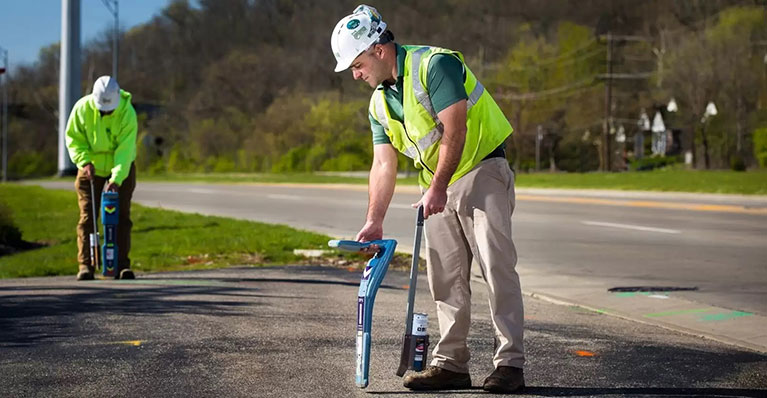
What it is: Marking the location of buried gas, electric, water, and sewer lines before excavation.
Why it pays: OSHA-required; prevents accidents; high liability = premium rates.
Income: $80-150 per call × 5-8 daily calls = $2,000-$4,000/month
How to start:
- Locate training program (4-8 weeks, $1,500-3,000)
- Get state certification
- Contract with construction companies, utilities, and excavation firms
- Excellent job security and benefits
Difficulty: ⭐⭐☆☆☆ (Moderate)
6. Roadside Cleanup Crew Leader

What it is: Managing crews that clean highways, roadsides, and public spaces.
Why it pays: Government contracts; consistent work; can expand to multiple crews.
Income: $45,000-65,000/year as employee; $100,000+/year as contractor
How to start:
- Bid on municipal contracts
- Organize cleanup schedule and crew safety
- Leverage existing infrastructure (already-contracted routes)
- Scale by hiring and managing teams
Difficulty: ⭐⭐⭐☆☆ (Moderate)
7. Boat Bilge Cleaning Service
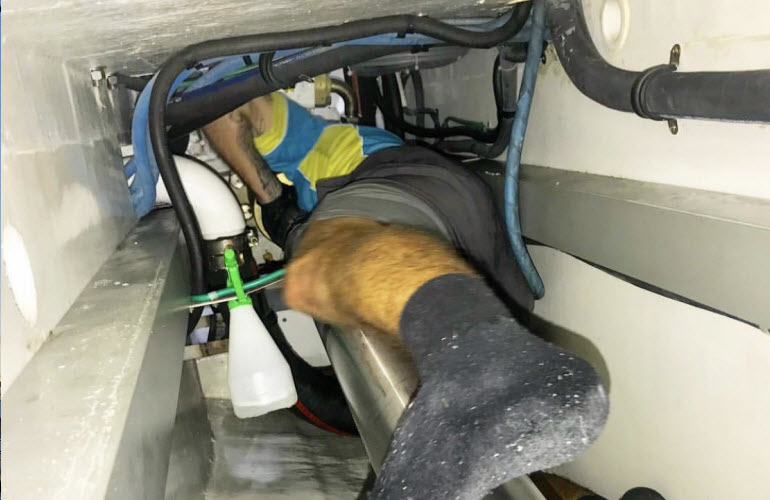
What it is: Removing contaminated water, fuel, and waste from boat bilge tanks.
Why it pays: Marinas charge premium, environmental regulations required, highly specialized.
Income: $300-600 per boat × 2-3 daily jobs = $1,800-$3,600/month
How to start:
- Bilge pump system ($800-1,500)
- EPA waste disposal certification
- Contact marinas, yacht clubs, boat repair shops
- Offer emergency after-hours service (premium pricing)
Difficulty: ⭐⭐⭐☆☆ (Moderate)
HIGH-PAYING DIRTY CAREERS
(Requires certification/training, $3,000-$15,000 investment, $50K-$120K+ annual income)
8. Crime Scene & Biohazard Cleanup Technician
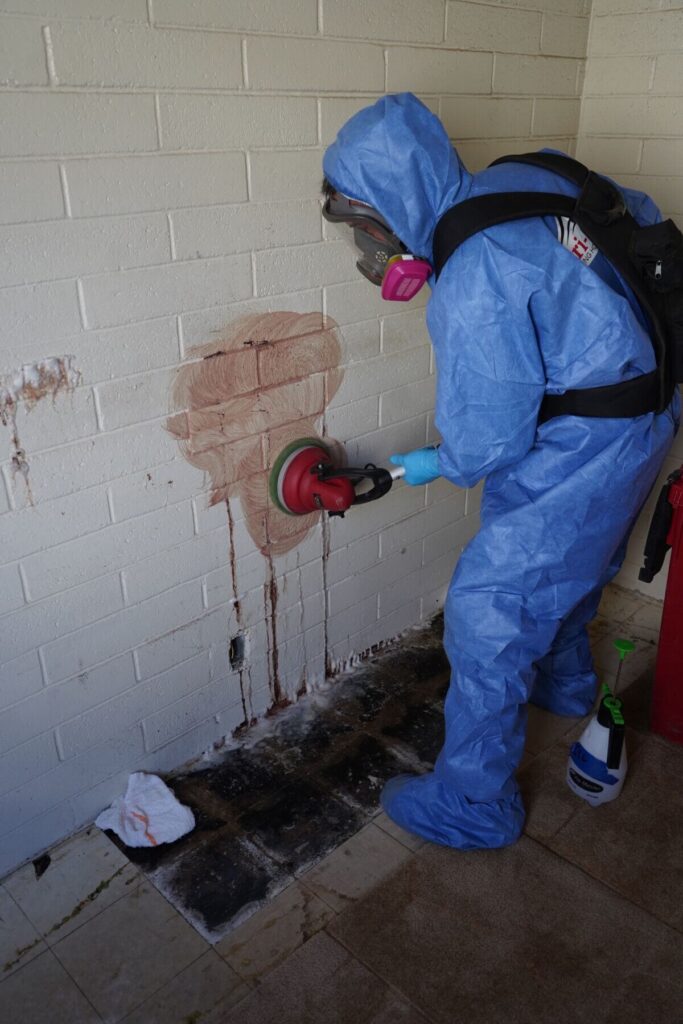
What it is: Professional cleanup and restoration after death, crime, or contamination.
Why it pays: Emotionally difficult work, specialized knowledge required, life-or-death importance.
Income: $18-28/hour as technician; $75,000-150,000+/year as business owner
How to start:
- OSHA Bloodborne Pathogens certification (1-2 weeks, $200-300)
- Biohazard remediation training ($1,000-2,000)
- Commercial liability insurance ($2,000-3,000/year)
- Equipment: PPE, industrial disinfectants, disposal containers ($3,000-5,000)
- Build relationships with funeral homes, coroners, property managers
Why this works: One $5,000 job pays for months of business expenses. Emotional barrier keeps competitors away.
Difficulty: ⭐⭐⭐⭐☆ (Very Hard)
9. Septic System Service Technician
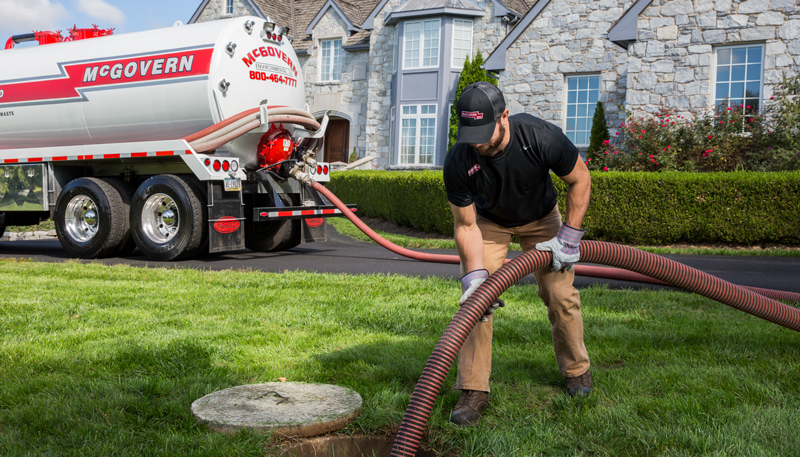
What it is: Installing, pumping, inspecting, and repairing septic systems.
Why it pays: 25% of US homes use septic; recurring revenue model; high replacement costs.
Income: $40,000-55,000/year employee; $80,000-200,000+/year business owner
How to start:
- Work as employee first (learn the trade, $0 investment)
- Get state certifications (varies; $200-800)
- Save for pumper truck ($50,000-70,000 used)
- Build recurring maintenance contracts (quarterly/annual)
- Expand to inspections and system replacements
Scaling path: Solo operator → Multi-truck operation → System installations → Regional franchise
Difficulty: ⭐⭐⭐☆☆ (Moderate)
10. Mold Remediation Specialist

What it is: Identifying, containing, and removing mold from homes and buildings.
Why it pays: Health hazard, insurance-covered in many cases, time-sensitive demand.
Income: $2,000-8,000 per job × 2-4 jobs/month = $48,000-192,000/year
How to start:
- IAC-certified mold inspector course ($1,500-2,500)
- EPA RRP certification (if pre-1978 properties) ($200)
- Professional equipment ($5,000-8,000)
- Partner with water damage companies and real estate inspectors
- Build insurance adjuster relationships
Difficulty: ⭐⭐⭐☆☆ (Moderate)
11. Water Damage Restoration Technician

What it is: Emergency response to flooding, water damage, and drying out properties.
Why it pays: Catastrophic events, urgent timeline, insurance funding, premium rates.
Income: $50,000-80,000/year as crew member; $150,000-300,000+/year as owner
How to start:
- IICRC certification ($2,000-3,000)
- 24/7 emergency availability (key to income)
- Equipment: dehumidifiers, fans, moisture meters ($10,000-15,000)
- Insurance company networking (major referral source)
- Partner with public adjusters
Why this works: One major water event (flood, burst pipe) = $3,000-15,000+ revenue.
Difficulty: ⭐⭐⭐⭐☆ (Hard)
12. Pest Control Technician (Commercial Specialist)
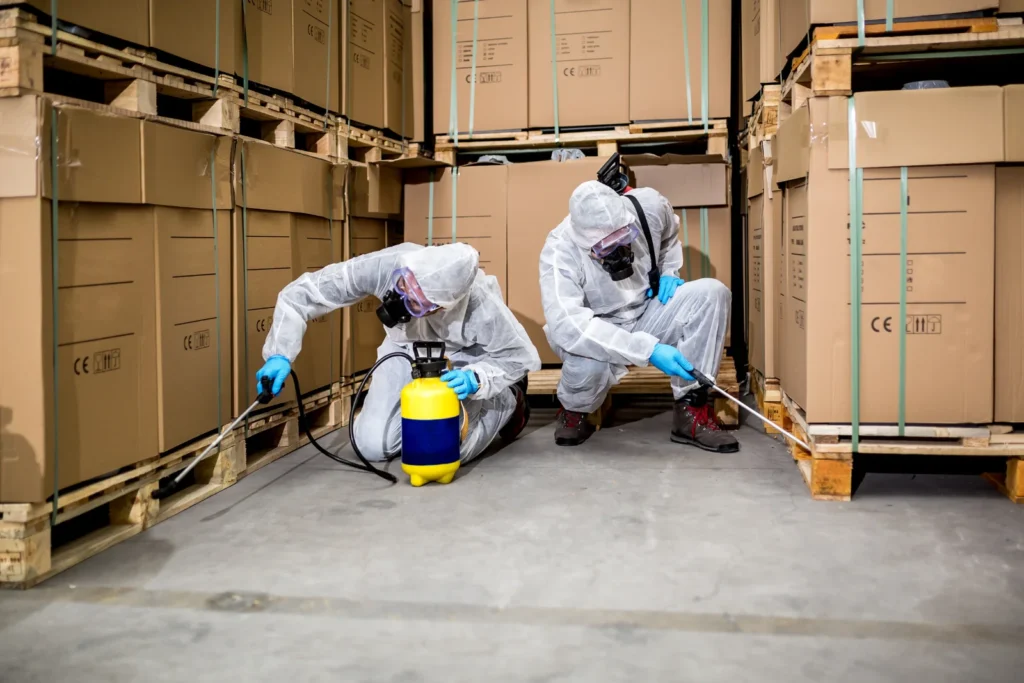
What it is: Treating commercial buildings for pest infestations at scale.
Why it pays: Regular contracts, recurring revenue, high commercial pricing.
Income: $45,000-60,000/year employee; $100,000-250,000+/year owner
How to start:
- State pest control license ($300-1,000 total)
- Training through established companies (often paid)
- Start with residential, transition to commercial accounts
- Commercial contracts = 2-4x residential rates
- Specialize in high-value targets: restaurants, hospitals, data centers
Scaling: Solo → hire technicians → multiple crews → franchise or sell
Difficulty: ⭐⭐⭐☆☆ (Moderate)
13. Certified Nursing Assistant (CNA) – Premium Track

What it is: Patient care assistance in medical settings, but strategically positioned.
Why it pays (when done smart): Base is $28K-42K, but premium paths exist.
Income: $28,000-42,000/year standard; $60,000-85,000/year private duty; $75,000-120,000+ with specialization
How to start:
- 4-6 week CNA program ($400-1,500)
- Work for agency (higher pay, flexible schedule)
- Build private duty clients ($25-35/hour direct)
- Develop specializations: dementia care, hospice, geriatric (premium rates)
- Use as bridge to RN/NP (employer-paid education)
Why this works: Entry point to healthcare income with minimal debt; built-in advancement.
Difficulty: ⭐⭐☆☆☆ (Easy)
14. Hazardous Materials Transporter
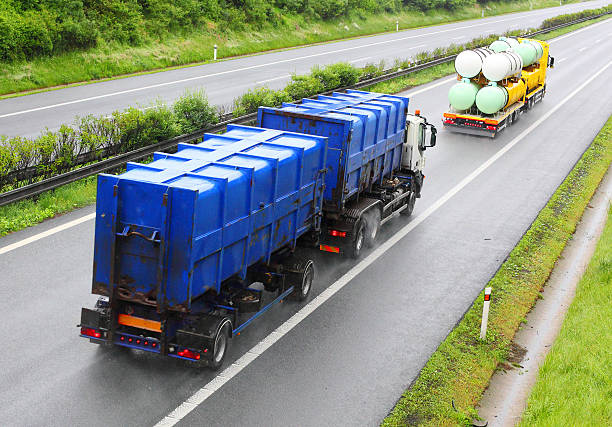
What it is: DOT-licensed transport of hazardous waste and materials.
Why it pays: Specialized license, high liability, essential infrastructure.
Income: $50,000-70,000/year as driver; $120,000-200,000+/year as owner-operator
How to start:
- Commercial Driver’s License (CDL) ($3,000-5,000)
- Hazmat endorsement ($86.50 + test)
- Medical certification and background check ($300-500)
- Drive for established company (12-24 months, learn market)
- Purchase truck and contract with generators/disposal companies
Scaling: Owner-operator → multiple trucks → fleet operation → hazmat facility
Difficulty: ⭐⭐⭐☆☆ (Moderate)
UNCONVENTIONAL & WEIRD DIRTY WAYS TO MAKE MONEY
(Creative niches, moderate investment, varying income)
15. Grease Trap Cleaning Service
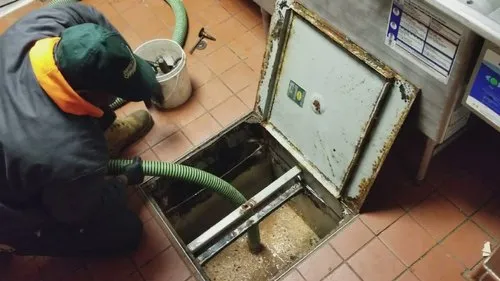
What it is: Commercial cleaning of restaurant grease traps (required for compliance).
Why it pays: Health code requirement, recurring contracts, essential service.
Income: 50 clients × $300 quarterly service = $45,000/quarter = $180,000/year gross
How to start:
- Vacuum pump system ($15,000-25,000) or contract with existing company
- Restaurant health code certifications
- Target new restaurants (immediate need)
- Build quarterly maintenance contracts
- Offer emergency service (2-3x rates)
Pro tip: Most competitors have terrible customer service. Being responsive and professional = competitive advantage.
Difficulty: ⭐⭐⭐☆☆ (Moderate)
16. Bed Bug Heat Treatment Specialist
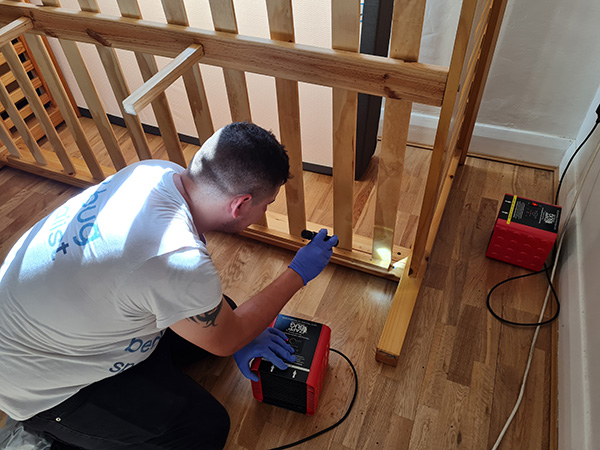
What it is: Using professional heat equipment to eliminate bed bugs (chemical-free, more effective).
Why it pays: Chemicals losing effectiveness, premium pricing, recurring issues.
Income: 3-5 treatments/week × $1,500-2,500 per treatment = $234,000-650,000/year potential
How to start:
- Training and certification ($2,000-3,000)
- Heat treatment equipment ($20,000-35,000)
- Commercial vehicle for transport
- Target hotels, apartment complexes, and high-end residential
- Build contractor partnerships (pest control companies)
Why this works: One hotel contract = $50,000-150,000/year recurring revenue.
Difficulty: ⭐⭐⭐⭐☆ (Hard)
17. Drain Camera Inspection Service
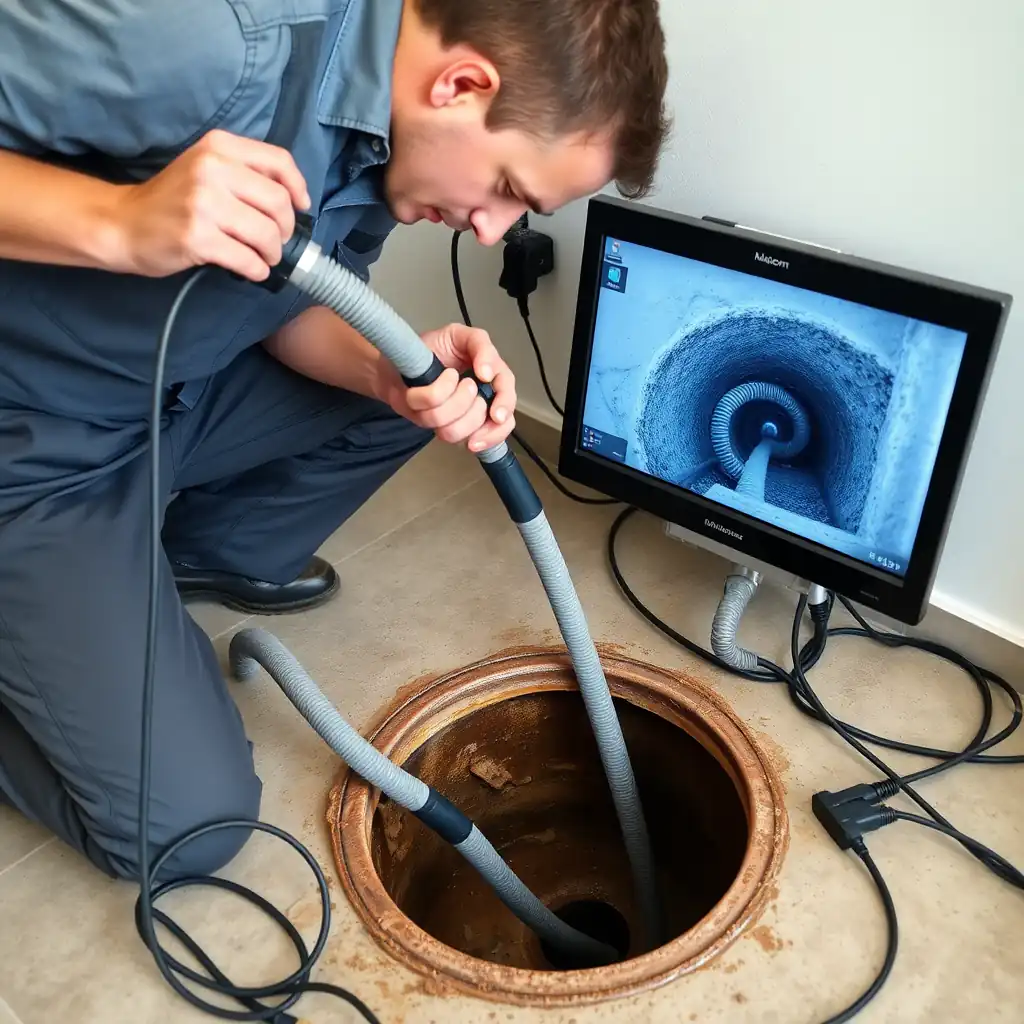
What it is: Using specialized cameras to inspect pipes and sewers, providing video reports.
Why it pays: Multiple revenue streams, moderate investment, natural plumber partnerships.
Income: $150-350/inspection × 6-10 daily = $4,500-10,500/month potential
How to start:
- Professional sewer camera ($8,000-15,000)
- Training on equipment ($500-1,000)
- Vehicle setup ($1,000-2,000)
- Contract with plumbers (wholesale rates)
- Direct homeowner service (premium pricing)
- Real estate inspection partnerships
Revenue streams: Plumber partnerships, homeowners, real estate inspectors, municipal contracts.
Difficulty: ⭐⭐⭐☆☆ (Moderate)
18. Professional Hoarding Cleanup Specialist

What it is: Compassionate, specialized cleanup of hoarded properties.
Why it pays: Single jobs range $5,000-50,000+; emotional weight keeps competitors out.
Income: 10-15 major jobs/year × $8,000 average = $80,000-120,000/year
How to start:
- Develop relationships with therapists specializing in hoarding disorder
- Partner with elder care agencies and social services
- Get comprehensive liability insurance ($2,000-3,000/year)
- Training on hoarding psychology ($500-1,000)
- Organize post-cleanup systems (recurring service)
Why this works: Families desperate and willing to pay for discretion and professionalism.
Difficulty: ⭐⭐⭐⭐☆ (Very Hard – emotional toll)
19. Forensic Cleanup Technician
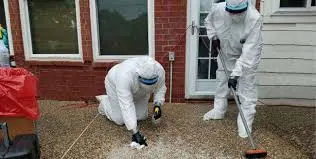
What it is: Specialized cleanup after unattended deaths (different from crime scene cleanup).
Why it pays: Essential service, delayed discovery situations, emotional urgency.
Income: $3,000-15,000/job × 6-10 jobs/year = $36,000-150,000/year
How to start:
- Biohazard training and certification ($2,000-3,000)
- Equipment and supplies ($4,000-6,000)
- Build relationships with coroners, medical examiners
- Partner with estate attorneys and funeral homes
- Offer odor elimination and structural restoration
Emotional intelligence critical: This job demands genuine compassion and professionalism.
Difficulty: ⭐⭐⭐⭐⭐ (Extremely Hard)
20. Taxidermist
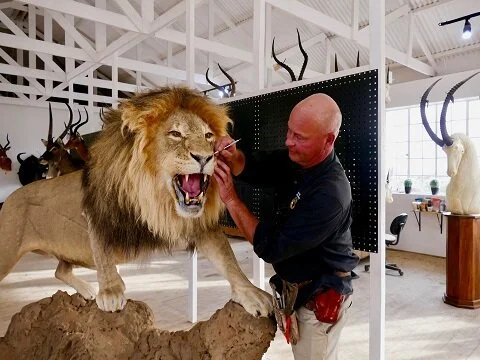
What it is: Preserving and mounting dead animals for display or education.
Why it pays: Specialized skill, hunting community, museums, educational institutions.
Income: $500-3,000+ per mount, depending on species and complexity
How to start:
- Apprenticeship under master taxidermist (1-3 years)
- Professional tools and workspace ($5,000-10,000)
- Quality materials and supplies ($2,000-3,000/year)
- Build relationships with hunters, wildlife centers, museums
- Develop specialty (fish, birds, mammals, exotic)
Market positioning: High-quality work for serious collectors = premium pricing.
Difficulty: ⭐⭐⭐⭐☆ (Hard)
21. Invasive Species Hunter/Trapper
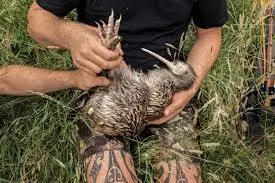
What it is: Capturing and removing invasive species (pythons, wild hogs, etc.) for government and private contracts.
Why it pays: Environmental agencies fund removal; high danger premium; specialized niche.
Income: $100-500/animal + contracts, $40,000-80,000+/year
How to start:
- Trapping license and certifications (varies by species and state)
- Training in animal handling and safety
- Specialized equipment ($3,000-8,000)
- Build contracts with state fish/wildlife agencies
- Develop relationships with private landowners
Geographic advantage: Florida pythons, Texas feral hogs, California wild boar = high demand areas.
Difficulty: ⭐⭐⭐⭐☆ (Hard)
22. Autopsy Technician Assistant
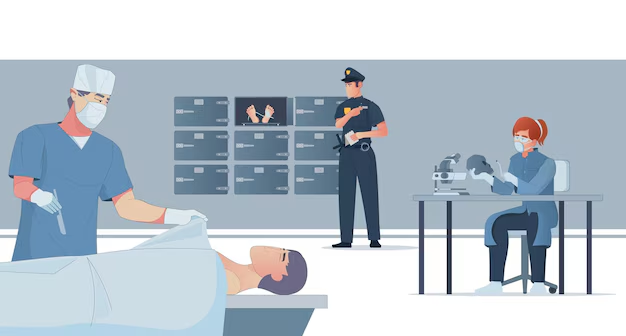
What it is: Assisting pathologists during medical examinations of deceased persons.
Why it pays: Specialized, emotionally intense, required expertise.
Income: $35,000-55,000/year government positions; stable, good benefits
How to start:
- High school diploma required
- Training through medical examiner’s office (on-the-job)
- Medical terminology and anatomy knowledge helpful
- Often government positions (stable pay, benefits)
- Pathway to pathology assistant ($50,000-75,000)
Why this works: Government job security, benefits, pension; less competition than you’d think.
Difficulty: ⭐⭐⭐⭐☆ (Very Hard)
23. Surgical Instrument Processor

What it is: Cleaning, sterilizing, and preparing surgical instruments for operating rooms.
Why it pays: Medical necessity, strict standards, repetitive demand.
Income: $28,000-42,000/year with advancement to supervisor ($45,000-60,000)
How to start:
- High school diploma
- On-the-job training (6-12 weeks)
- CBSPD certification increases pay and advancement
- Hospital or surgical center positions (stable, benefits)
- Pathway to operating room technician ($45,000-70,000)
Why this works: Healthcare is recession-resistant; consistent demand; clear advancement path.
Difficulty: ⭐⭐☆☆☆ (Easy-Moderate)
DIGITAL “DIRTY” JOBS
(Mentally or ethically taxing online work, low startup, moderate income)
24. Content Moderation Specialist
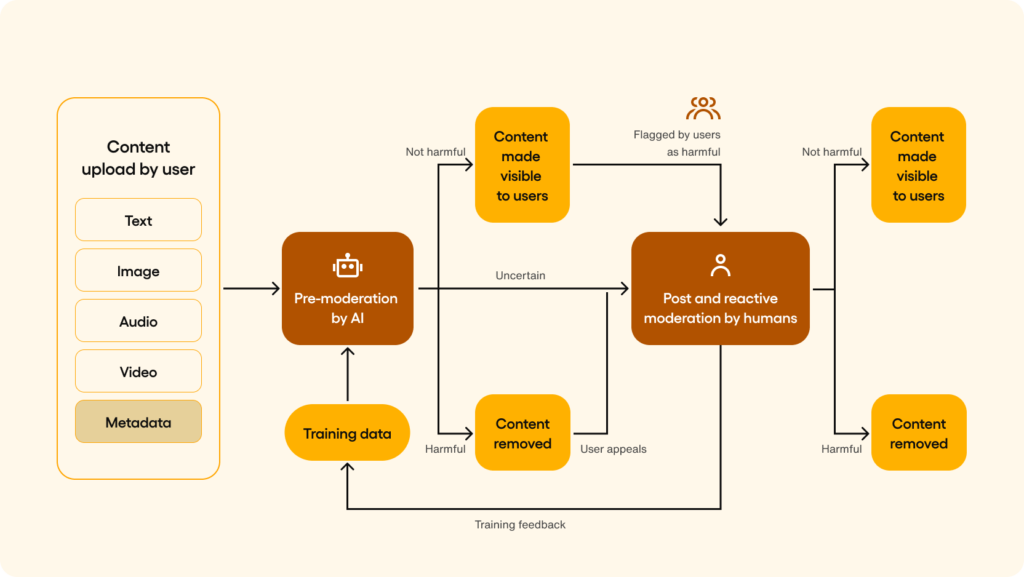
What it is: Reviewing and removing disturbing, illegal, or policy-violating content online.
Why it pays: Psychological difficulty, exposure to trauma content, must-do job.
Income: $15-25/hour × 40 hours = $30,000-52,000/year
How to start:
- Apply directly to tech companies (Meta, Google, TikTok, Discord)
- No education required, some training provided
- Establish psychological resilience (critical)
- Seek companies with mental health support
- Document PTSD risks for future benefits
Warning: This job takes psychological toll. Many need therapy support. Companies should provide it but often don’t.
Difficulty: ⭐⭐⭐⭐⭐ (Extremely Hard – mentally)
25. CSAM Investigator Contractor

What it is: Identifying child sexual abuse material (CSAM) as forensic contractor.
Why it pays: Critical work, specialized knowledge, emotional trauma premium.
Income: $50,000-75,000/year contract work; higher for specialized investigators
How to start:
- Law enforcement background preferred
- Digital forensics training
- Background clearance (extensive)
- Contract with government agencies, National Center for Missing & Exploited Children
- Professional psychological support mandatory
Why this exists: Law enforcement overwhelmed; contractors handle overflow; essential societal work.
Difficulty: ⭐⭐⭐⭐⭐ (Impossible for most – severe psychological impact)
26. Medical Transcriptionist (Trauma Cases)
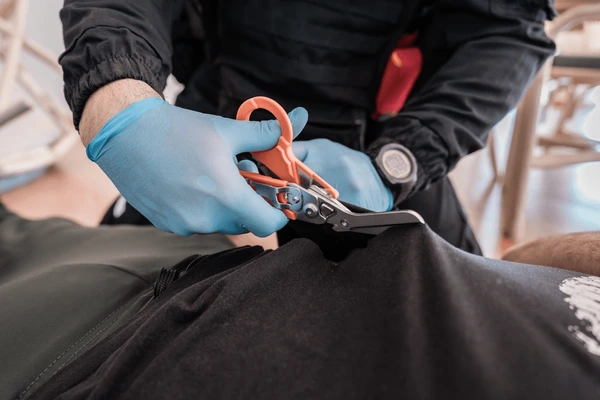
What it is: Transcribing audio recordings of medical cases, often involving trauma, death, or difficult content.
Why it pays: Specialized medical terminology, exposure content, accuracy demands.
Income: $25,000-40,000/year as employee; $40,000-60,000/year freelance
How to start:
- Medical transcription program ($1,000-2,500)
- Medical terminology and anatomy knowledge
- High accuracy standards (99%+)
- Build freelance portfolio on specialized platforms
- Specialize in high-paying medical areas (pathology, psychiatry, trauma)
Difficulty: ⭐⭐⭐☆☆ (Moderate – emotionally taxing)
SPECIALIZED HIGH-INCOME DIRTY NICHES
(Premium positioning, $5,000+ startup, $80K-$250K+ annual)
27. Mobile Phlebotomy Service

What it is: Drawing blood from patients at home, offices, or care facilities.
Why it pays: Convenience premium, recurring contracts, minimal equipment.
Income: $35-75 per draw × 8-15 daily = $70,000-450,000/year potential
How to start:
- Phlebotomy certification (6-12 weeks, $700-2,000)
- Liability insurance ($800-1,200/year)
- Professional kit ($400-800)
- Contract with labs and medical practices
- Target seniors and busy professionals
Scaling: Hire additional phlebotomists, expand service area, build contracts with practices.
Difficulty: ⭐⭐☆☆☆ (Easy)
28. Stain Removal Specialist (Luxury Items)
What it is: Professional removal of stubborn stains from expensive fabrics, furniture, and artwork.
Why it pays: High-value items, specialized knowledge, wealthy clientele.
Income: $100-500+ per job × 4-6 jobs/week = $20,800-156,000/year
How to start:
- Specialized training in fabric/material science ($2,000-5,000)
- Certification in restoration ($1,500-3,000)
- Premium cleaning supplies and equipment ($3,000-5,000)
- Target luxury market: high-end dry cleaners, furniture stores, wealthy neighborhoods
- Build reputation through referrals
Why this works: Most people don’t know professional stain removal exists; you’re the expert solving impossible problems.
Difficulty: ⭐⭐⭐☆☆ (Moderate)
29. Underground Excavation Coordinator
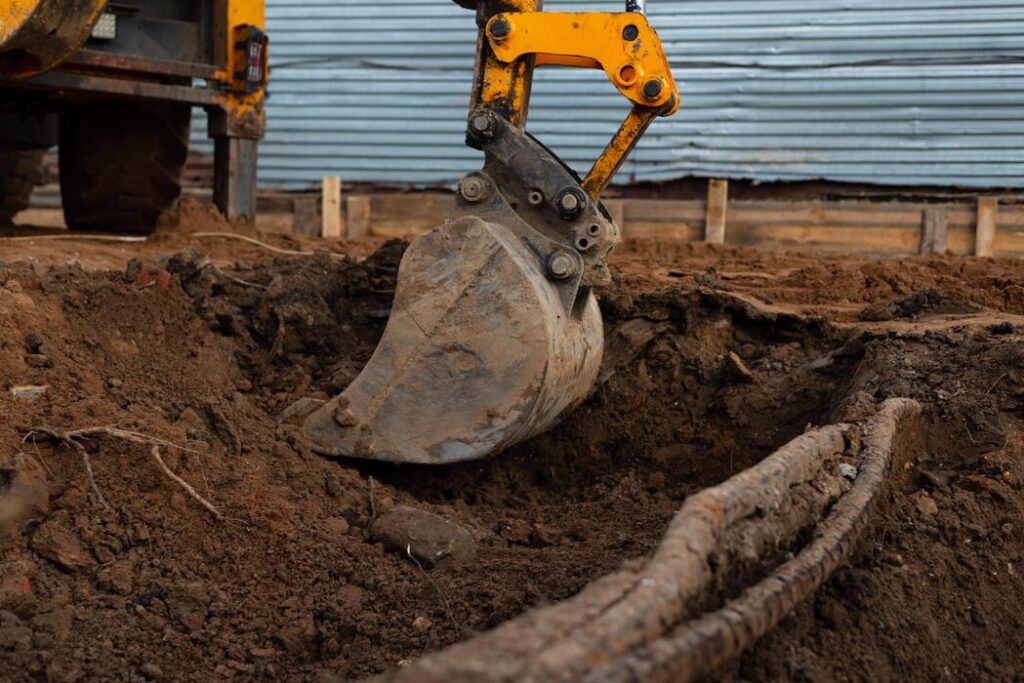
What it is: Managing safe excavation projects, coordinating utility location, ensuring compliance.
Why it pays: High liability, specialized knowledge, government projects.
Income: $65,000-90,000/year employee; $150,000-300,000+/year as contractor managing multiple projects
How to start:
- OSHA 30-hour certification
- Excavation and utility location training
- Start as employee (learn safety regulations)
- Build contractor relationships
- Bid on municipal and private projects
Scaling: Manage multiple crew teams, expand service areas, specialize in high-value contracts.
Difficulty: ⭐⭐⭐☆☆ (Moderate)
30. Biohazard Waste Disposal Coordinator
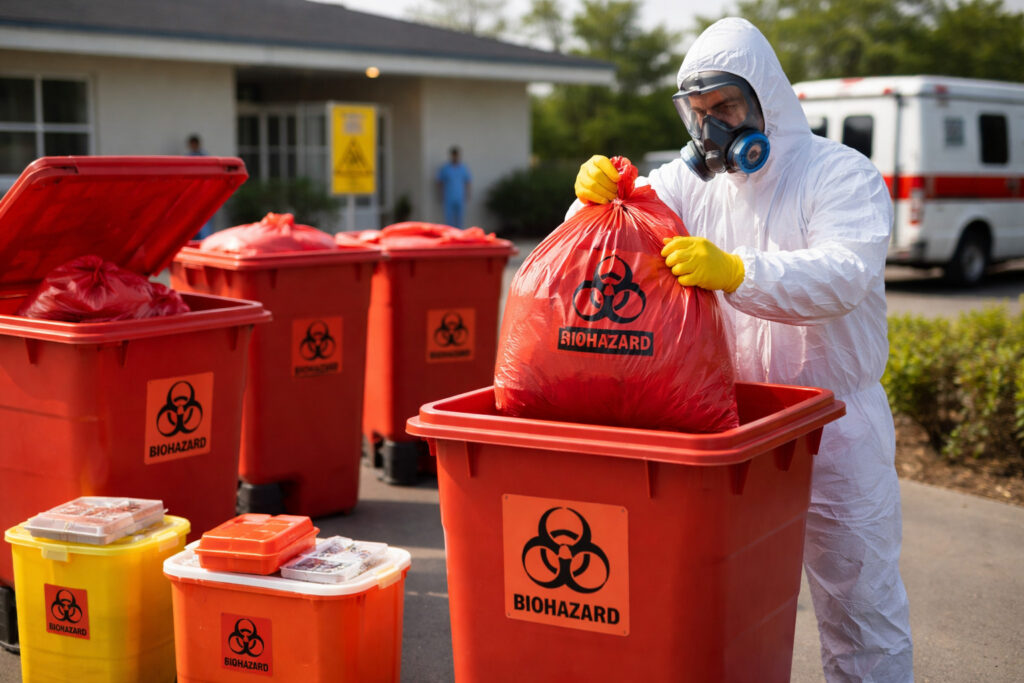
What it is: Collecting, transporting, and proper disposal of medical and biological waste.
Why it pays: EPA regulations, health code requirements, hazardous material premium.
Income: $55,000-75,000/year employee; $120,000-250,000+/year as business owner
How to start:
- DOT hazmat certification
- Medical waste handling training ($1,000-2,000)
- Commercial vehicle and containers ($25,000-40,000)
- Build contracts with hospitals, clinics, laboratories
- Partner with medical waste disposal facilities
Why this works: Recurring contracts, regulatory requirement, essential service.
Difficulty: ⭐⭐⭐☆☆ (Moderate)
31. Odor Remediation Specialist
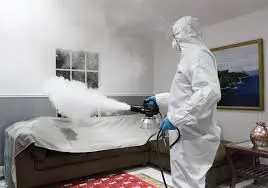
What it is: Eliminating severe odors (decomposition, hoarder homes, smoke, animal waste).
Why it pays: Chemical knowledge, health hazard removal, specialized niches.
Income: $500-3,000+ per job × 4-8 monthly = $24,000-288,000/year
How to start:
- Specialist training in odor science ($1,500-3,000)
- Professional-grade equipment ($5,000-10,000)
- Ozone generators, enzymes, sealers
- Partner with restoration companies and crime scene cleaners
- Upsell to property managers dealing with problem units
Why this works: Most restoration companies subcontract odor removal; you can do both.
Difficulty: ⭐⭐⭐☆☆ (Moderate)
32. Cadaver Dog Handler
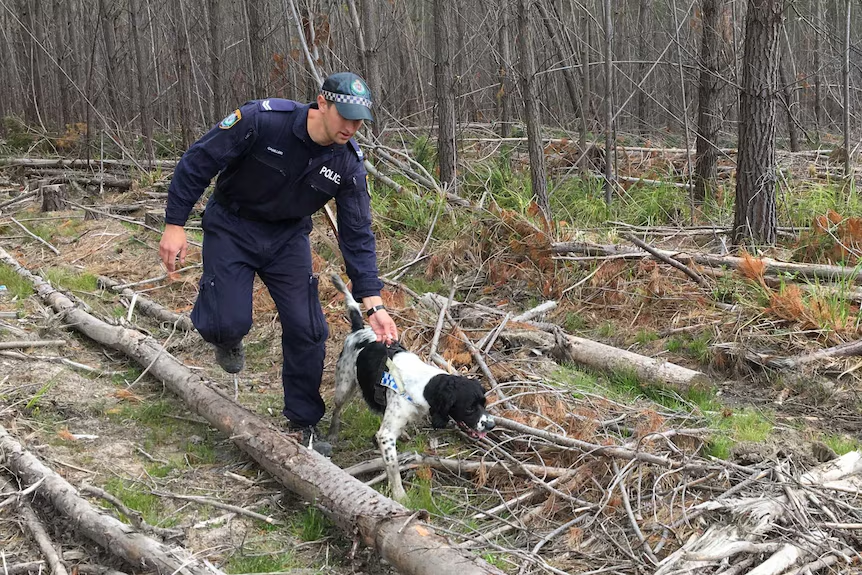
What it is: Training and handling detection dogs for search and rescue, forensics.
Why it pays: Specialized niche, government contracts, rescue work demand.
Income: $50,000-80,000/year as handler; $100,000+/year as trainer
How to start:
- Dog handling and training experience essential
- Specialized training for cadaver detection ($5,000-15,000)
- Build relationships with law enforcement, rescue teams
- Volunteer work builds credentials and contracts
- Private investigation agencies also hire
Why this works: Niche skill with consistent demand; government backing.
Difficulty: ⭐⭐⭐⭐☆ (Hard)
33. Livestock Artificial Insemination Technician

What it is: Breeding assistance for livestock using artificial insemination.
Why it pays: Specialized agricultural skill, essential to farming industry.
Income: $35,000-55,000/year employee; $60,000-120,000/year independent contractor
How to start:
- Agricultural background helpful
- 3-6 month certificate program ($2,000-5,000)
- Apprenticeship with established technician (6-12 months)
- Build relationships with breeding operations and veterinary clinics
- Specialize in high-value breeds (dairy, beef, equine)
Geographic advantage: Target breeding-focused regions (Midwest, Texas, California).
Difficulty: ⭐⭐⭐☆☆ (Moderate)
34. Carcass Disposal & Rendering Operator
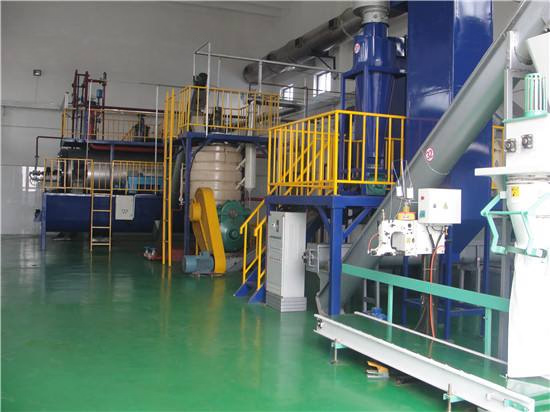
What it is: Processing and disposing of animal carcasses for rendering into useful materials.
Why it pays: Environmental necessity, regulatory compliance, meat industry connections.
Income: $35,000-55,000/year; $80,000+/year as manager/owner
How to start:
- Large animal handling experience
- Heavy equipment operation training
- EPA and state licensing
- Work with rendering facilities, farms, meat processors
- Scaling: build facility or manage multiple collection points
Why this works: Agricultural and meat industry necessity; consistent demand; often overlooked by competition.
Difficulty: ⭐⭐⭐☆☆ (Moderate)
35. Wound Care Specialist Technician

What it is: Advanced wound care for non-healing ulcers, surgical wounds, and complications.
Why it pays: Medical necessity, specialized training, nurse-level responsibilities.
Income: $45,000-65,000/year certified; $70,000-100,000+/year with advanced certifications
How to start:
- Nursing or medical assistant background
- Wound care certification (2-6 weeks, $1,500-3,000)
- Work in hospital, clinic, or home care settings
- Advance to wound care nurse specialist ($80,000-120,000)
- Eventually independent consultant/educator
Why this works: Aging population drives demand; clear advancement path to higher income.
Difficulty: ⭐⭐☆☆☆ (Easy-Moderate)
Digital “Dirty” Ways to Make Money (Mental Grime)
You don’t have to leave your house to get dirty. The internet is a toxic wasteland. These digital dirty jobs require you to clean up the psychological and ethical grime of the web.
36. AI Safety “Red Teaming”
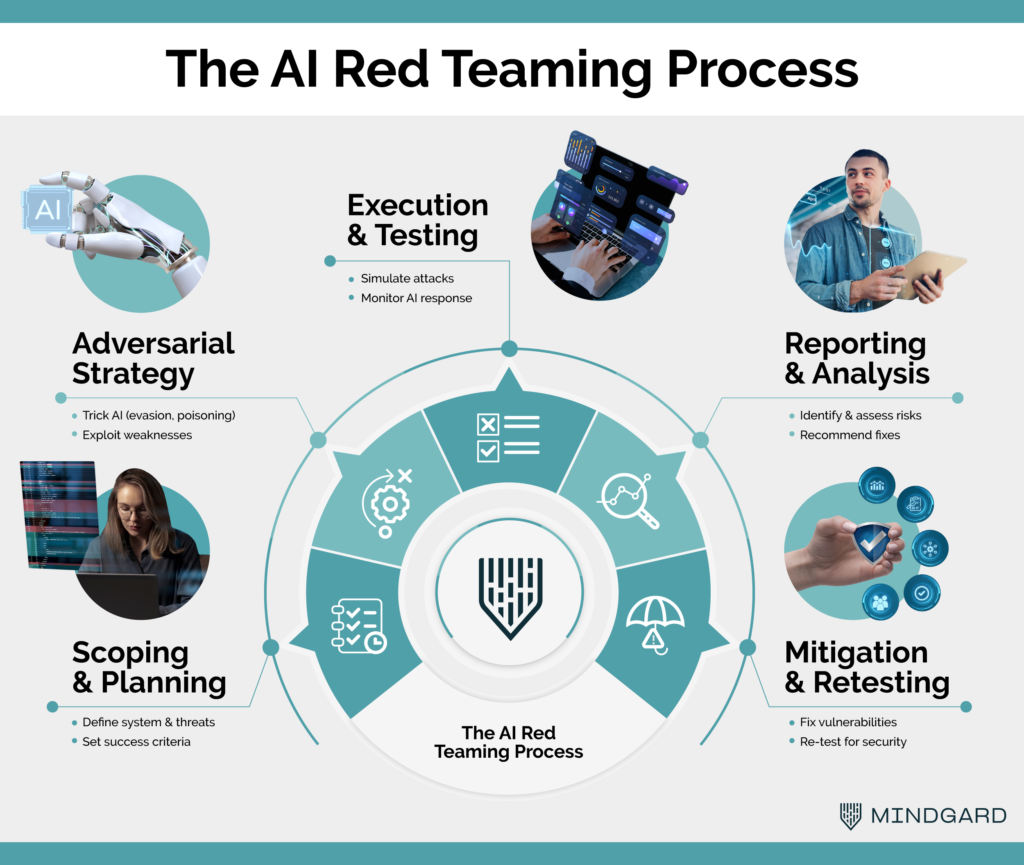
- What the job is: Getting paid to act like a malicious cyber-criminal. You force AI models to generate hate speech, bomb recipes, or deepfakes to test their safety filters.
- Why it pays well: Tech giants pay big money to find these loopholes before the media writes a hit piece about them.
- Estimated income: $30–$75/hour on contract.
- How to start: Sign up on tech task platforms like Scale AI, Outlier, or apply to OpenAI’s contractor network.
- Difficulty level: High (Requires sharp analytical logic and coding knowledge).
37. Sensitive Content Moderation
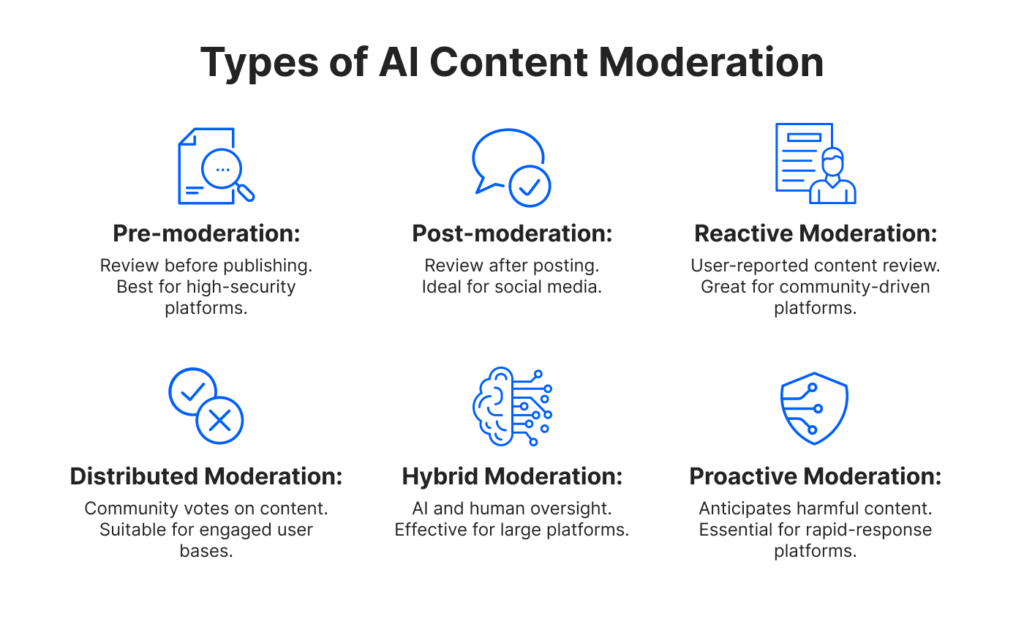
- What the job is: Reviewing and deleting the darkest, most violent, and illegal videos uploaded to social media platforms.
- Why it pays well: The PTSD rate is horrific. Companies pay “distress premiums” and mandate therapy just to keep you logging in.
- Estimated income: $45,000–$70,000 annually.
- How to start: Apply through global BPO outsourcing firms like TaskUs, Teleperformance, or Accenture.
- Difficulty level: Extreme (Massive psychological toll. Do not do this long-term).
38. Dark Web Forensic Data Recovery

- What the job is: Sifting through hacked servers or dark-web forums to pull back stolen corporate assets or lost crypto keys.
- Why it pays well: Pure desperation. When a CEO loses a $5 million Bitcoin wallet, they pay whatever invoice you hand them.
- Estimated income: $120k+ (Freelance recovery fees hit $10k+ per job).
- How to start: Master enterprise forensic tools (like EnCase) and get certified in elite cybersecurity.
- Difficulty level: Extreme (Highly technical).
39. Digital Scam Bounty Hunter

- What the job is: Infiltrating overseas scam call centers, hacking their CCTVs, and selling the intel to cybersecurity firms or YouTube content creators.
- Why it pays well: The vigilante economy is booming in 2026, and firms pay top dollar for actionable intel on scam rings.
- Estimated income: Variable ($5k+ per major bounty).
- How to start: You need elite ethical hacking skills, a VPN, and a deep understanding of social engineering.
- Difficulty level: Extreme (Exists in a massive legal gray area).
40. Deepfake Detection Analyst

- What the job is: Manually reviewing highly realistic, often explicit or politically dangerous deepfake videos to train AI detection algorithms.
- Why it pays well: The 2026 election cycles and celebrity lawsuits have made deepfake tracking a billion-dollar necessity.
- Estimated income: $80,000–$120,000.
- How to start: Study digital forensics and machine learning visual artifacts.
- Difficulty level: High.
41. Black-Hat SEO Clean-Up Consultant

- What the job is: Cleaning up the dirty, spammy, and heavily penalized backlink profiles of companies who bought illegal SEO services.
- Why it pays well: If a business is de-indexed from Google, their revenue drops to zero. You are their only lifeline to survive.
- Estimated income: $150–$300 per hour consulting.
- How to start: Master Google’s Search Console, the disavow tool, and technical SEO recovery.
[Internal Link: Read our guide on Advanced SEO Recovery Tactics] - Difficulty level: High.
42. Spam & Phishing Honeypot Data Collector
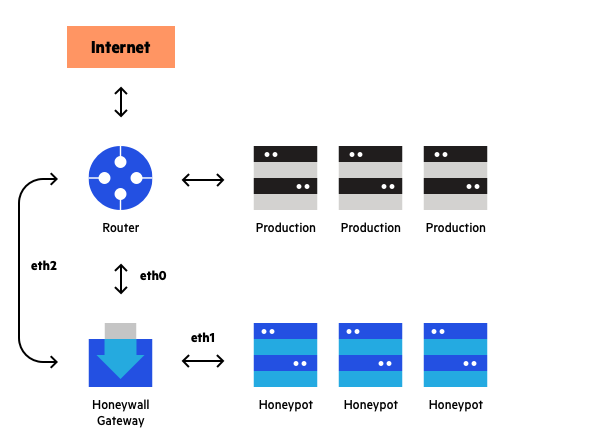
- What the job is: Setting up “honeypot” emails to intentionally collect malware, viruses, and phishing attempts for market research firms.
- Why it pays well: Cybersecurity software firms need fresh, real-time data on exactly how scammers operate today.
- Estimated income: $200–$500 monthly (Passive).
- How to start: Isolate an old laptop completely off your main network, use a VPN, and sign up for data-collection tech networks.
- Difficulty level: Low.
43. Adult Site Quality Assurance (QA) Tester
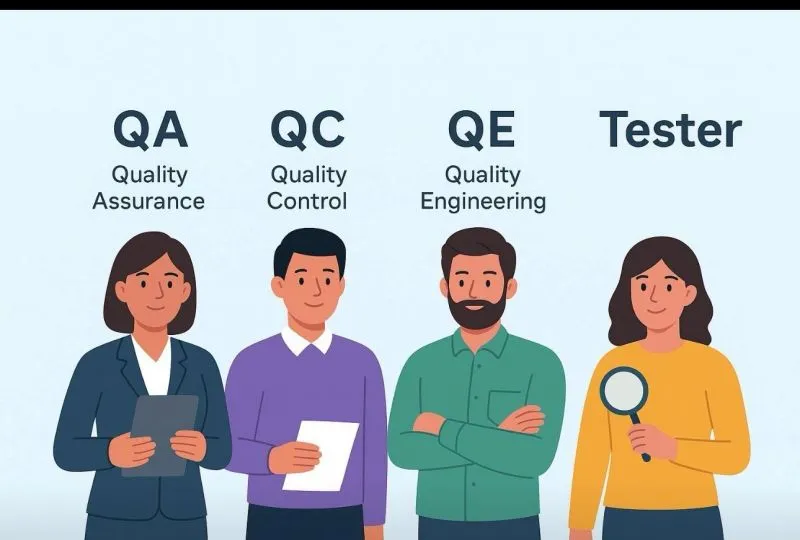
- What the job is: Clicking through adult entertainment websites to test video load speeds, broken links, and secure payment gateways.
- Why it pays well: Most professional QA testers refuse to put this industry on their LinkedIn resume, heavily driving the hourly rate up.
- Estimated income: $30–$50 per hour.
- How to start: Look for remote QA contracts on freelance boards specifying “NSFW tolerance required.”
- Difficulty level: Low (Requires standard technical QA knowledge).
YOUR 30-DAY ACTION PLAN TO START MAKING DIRTY MONEY
Days 1-5: Discovery & Decision
Day 1: Read through all 35 opportunities above. Note which 3-5 genuinely interest you (honest interest matters).
Day 2-3: Research local demand for your top choice.
- Google search “[job name] near me”
- Check Indeed, Glassdoor for local postings
- Contact 3-5 people already doing the work
- Ask: income reality, startup costs, learning curve, biggest challenges
Day 4-5: Reality-check your tolerance and investment capacity.
- Can you afford startup costs? (financing options available if not)
- Can you handle the “gross” factor? (first two weeks are hardest)
- Do you have the time? (most dirty jobs have flexible scheduling)
Days 6-10: Education & Certification
Day 6: Identify exact certification/training required.
- Contact licensing board in your state
- Find approved training programs
- Get course schedules and costs
Day 7-8: Enroll in training or apprenticeship if required.
- Many can start immediately
- Some offer evening/weekend programs
- Some are online
Day 9: Order essential startup equipment.
- Don’t buy top-tier yet (learn first)
- Get basic-quality tools that work
- Budget extra (always more than you think)
Day 10: Create business structure.
- Register business name ($50-200)
- Apply for EIN (free, online, IRS.gov)
- Open business bank account ($0-25/month)
Days 11-20: Launch Preparation
Day 11-13: Build minimal online presence.
- Google My Business listing (free, 15 minutes)
- Basic website or landing page ($100-300 or DIY)
- Social media profiles (free)
- Professional email address
Day 14-15: Create service packages and pricing.
- Research competitor pricing
- Add 20-30% premium (for professionalism and quality)
- Create tiered options (basic, standard, premium)
Day 16-17: Line up first clients.
- Friends, family at 50% discount (build testimonials)
- Local Facebook groups (free marketing)
- Nextdoor app posting (hyper-local, free)
- Local newspaper community listings (cheap)
Day 18-20: Get insurance and legal ready.
- Liability insurance quotes ($800-2,000/year)
- Confirm licensing requirements satisfied
- Create basic service agreement template
- Establish payment collection method
Days 21-30: Soft Launch
Day 21-25: Complete 5-10 jobs.
- Track time and expenses (critical for understanding profitability)
- Ask every customer for Google/Yelp review
- Take before/after photos (powerful marketing)
- Refine your process
Day 26-27: Calculate actual unit economics.
- How much does each job cost?
- How long does each job take?
- What’s your real hourly rate?
- Where can you optimize?
Day 28-30: Plan scaling.
- If solo works: can you hire someone?
- If struggling: should you specialize or adjust pricing?
- Build 90-day plan for next phase
CRITICAL MISTAKES TO AVOID (So You Don’t Fail)
Mistake #1: Starting Without Local Market Research
Why this kills you: You think septic cleaning pays $80K, but your town already has three established competitors. You’re underpressured and undercut immediately.
Fix: Before investing a dime, contact 10 existing businesses in your niche. Ask income questions directly. If nobody’ll share, contact their past clients on Google reviews.
Mistake #2: Underpricing Out of Insecurity
Why this kills you: You charge 40% less than competitors to “win business.” You work twice as hard for half the profit. You burn out in 6 months.
Fix: Price at-market or above initially. If you don’t get calls, improve marketing (not pricing). Pricing down is admission that your service isn’t worth market rate.
Mistake #3: Skipping Insurance Because “It’s Expensive”
Why this kills you: One accident, one injury, one property damage claim. You’re personally liable for six figures. Bankruptcy follows. Insurance that costs $2,000/year prevents disaster.
Fix: Get liability insurance before your first job. Non-negotiable.
Mistake #4: Hiring the Wrong Person as Your First Employee
Why this kills you: First hire makes or breaks scaling. Bad hire = damaged reputation, refunded jobs, you doing all the work anyway.
Fix: First hire should be someone you know and trust. Start with trial period. Document everything. Be willing to end it quickly if it’s not working.
Mistake #5: No Clear Financial Tracking
Why this kills you: You think you’re making money, but you’re not tracking expenses. Gas, equipment, supplies eat profit. You don’t know your real margins.
Fix: Use basic accounting software (Wave, FreshBooks) from day one. Track every expense. Know your profit per job exactly.
Mistake #6: Refusing to Niche Down
Why this kills you: “I do all types of cleaning.” Nobody hires generalists. “I specialize in post-death home sanitization.” Suddenly you’re the expert.
Fix: Pick a specific dirty niche. Own it. Become the local expert. Then expand from strength.
Mistake #7: Not Building Client Systems
Why this kills you: Work is inconsistent. You have weeks with no jobs, then scramble. Revenue is unpredictable.
Fix: Build recurring contracts. “Quarterly drain inspection,” “monthly gutter cleaning,” “annual septic service.” Recurring = predictable income.
Mistake #8: Trying to Scale Too Fast
Why this kills you: You hire three people before you’ve perfected your process. Training chaos. Quality drops. Reputation damaged.
Fix: Perfect solo operation for 6-12 months. Document exactly how you work. Then train hire #1. Scale slowly from there.
HOW TO SCALE INTO A REAL BUSINESS
Phase 1: Solo Operator (Months 1-6)
Focus: Perfect your craft. Build reputation. Document process.
Income potential: $24,000-60,000 first 6 months
Action items:
- Complete 50+ jobs
- Get 20+ positive Google reviews
- Refine pricing based on actual costs
- Document your exact process (will be training material)
- Build email list of past clients (future referrals)
Phase 2: Hire Your First Person (Months 7-12)
Who: Someone you trust who can learn. Ideally part-time initially.
Training: Takes your time first 2-4 weeks. Teach them your exact process.
Compensation: Hourly initially, then per-job once proficient.
Income potential: 50% revenue increase if first hire works out
Action items:
- Document every step of your process (written + video)
- Pair with new hire on 5-10 jobs
- Create quality control checklist
- Build reputation around team (not just you)
- Set clear expectations on customer interactions
Phase 3: Multiple Crews (Months 13-24)
Structure: You’re now manager, not doer.
Team size: 3-6 people depending on job complexity
Operations: Scheduling, quality control, customer relations, accounting
Income potential: 2-3x solo operator income
Action items:
- Hire second person (repeat Phase 2 success)
- Build operations manual (how everything runs)
- Implement job management software
- Establish quality standards and mystery-shopping program
- Focus on customer relations, not job execution
Phase 4: Business Operator (Year 2-3)
Your role: Marketing, sales, operations oversight, financial management
Staff: 5-15 people depending on scope
Revenue: $200,000-500,000+ depending on niche
Action items:
- Hire operations manager (you step back from daily work)
- Build customer acquisition system (referral program, marketing)
- Develop pricing strategy for multiple service tiers
- Create employee advancement path (trainee → technician → lead → supervisor)
- Monitor quality through systems, not personal supervision
Phase 5: Business Exit (Year 3-5)
Value: Systematized business (runs without you) = saleable asset
Buyers: Larger service companies, private equity, competitor roll-ups
Exit value: 2-4x annual profit (depending on buyer interest)
Typical exit: $300,000-$2,000,000+ for established, profitable business
Action items:
- Make business owner-independent (you’re optional)
- Document all systems, contracts, procedures
- Build customer contracts (long-term relationships, hard to leave)
- Target acquisition by larger regional or national company
- Hire business broker to handle sale
FREQUENTLY ASKED QUESTIONS (Dirty Money Edition)
Q1: How much money can I realistically make in year one?
A: Depends on niche and effort. Quick-start side hustles: $15,000-40,000. Full-time commitment with certification: $40,000-80,000. High-investment niches: $60,000-150,000. Most people underestimate time investment and overestimate income. Plan conservatively.
Q2: Which dirty job has the lowest startup cost?
A: Pet waste removal ($400), headstone cleaning ($300), pressure washing ($400-800). All can start in 2 weeks or less.
Q3: Which has the highest income ceiling?
A: Crime scene cleanup, bed bug heat treatment, septic systems, and water damage restoration can exceed $200,000-300,000+ annually at scale. These require $10,000-30,000 upfront investment but pay significant returns.
Q4: Do I need to get certified for everything?
A: No, but certification dramatically increases income and justification for premium pricing. Pet waste removal needs nothing. Pest control, septic work, hazmat, and medical positions require certifications.
Q5: What if I don’t have startup capital?
A: Start as an employee. Work in the field, learn, save. After 12-24 months, transition to business owner. You’ll be more skilled and have capital saved.
Q6: How do I handle the psychological difficulty of dirty work?
A: Reframe it: you’re solving real problems for desperate people. Crime scene cleanup restores family homes. Odor removal makes properties livable again. See the positive impact, not the gross task.
Q7: Is there really enough demand for 35 different dirty jobs?
A: Yes. The skilled trades shortage means unfilled positions across all these niches. Local demand varies, but every region needs most of these services.
Q8: Can I build a real business with employees and scale it?
A: Absolutely. Every service mentioned scales from solo → multi-crew operation. The playbook: perfect solo work, hire person, train processes, expand geographically.
Q9: What’s the biggest mistake beginners make?
A: Underpricing. They undercut competition to “win business,” then work for poverty wages. Competitors who are patient with pricing win by having sustainable margins.
Q10: If I scale to a business and hire employees, how much profit can I keep?
A: Healthy service business margins are 25-40% after all costs (labor, materials, insurance, overhead). Owner of 5-person operation doing $250,000 revenue might keep $60,000-100,000 annual profit. That’s scalable, sustainable income.
The Real Opportunity You’re Missing
Here’s what most people don’t understand about dirty ways to make money:
The barrier isn’t competence. It’s willingness.
There are zero gatekeepers stopping you from pet waste removal. No expensive degree. No 10-year apprenticeship. No wealthy family backing. Just willingness to do work others won’t.
That willingness is your moat.
While everyone’s fighting for SEO jobs, virtual assistant gigs, and dropshipping dreams, there’s an entire economy of unglamorous, essential, well-paying work waiting for someone who’ll just start.
The dirtier the job, the less competition. The less competition, the more you can charge. The more you can charge, the faster you can build a real business.
You don’t need special talent. You need special willingness.
So pick one opportunity from this guide. Commit to the 30-day plan. Start this week. By month three, you’ll have real income. By year one, you could have a legitimate business generating $50,000-100,000+.
All because you were willing to get dirty when others weren’t.
That’s not luck. That’s economics.
Conclusion:
The aesthetic laptop lifestyle is a crowded, underpaid trap.
The world will never stop producing waste, infrastructure will always break down, and humans will always create massive, disgusting messes. That is a permanent truth. While everyone else is fighting for scraps in an AI-threatened digital space, the Grime Economy is quietly printing millionaires in every single city.
Finding dirty ways to make money isn’t about taking a step backward—it’s about outsmarting a broken system. The most reliable, bulletproof path to wealth in 2026 is solving the exact problems that make everyone else look away. High discomfort equals a blank check.
Stop competing for the same clean desk. Grab your PPE, check your ego at the door, and get to work.
Your bank account doesn’t care if your hands get dirty. The dirt is exactly where the gold is.
 Join Telegram